An Introduction as a Graduate Administrative Assistant
The agenda for the day was finding campus employment, and the building in mind was the library. I started on the first floor, went to the IT department and accessibility office asking whether they have job openings available or upcoming. Then to the second floor, where the quite zones begin. You can enjoy the parking lot view if you sit on the far-left side of the second floor. When I first walked into the South Dakota Oral History Center (SDOHC), I did not know that would be the place I would spend 16 hours every week working on audio files, trying to get the names right on transcripts, and above all, enjoying listening to various informative and interesting interviews.
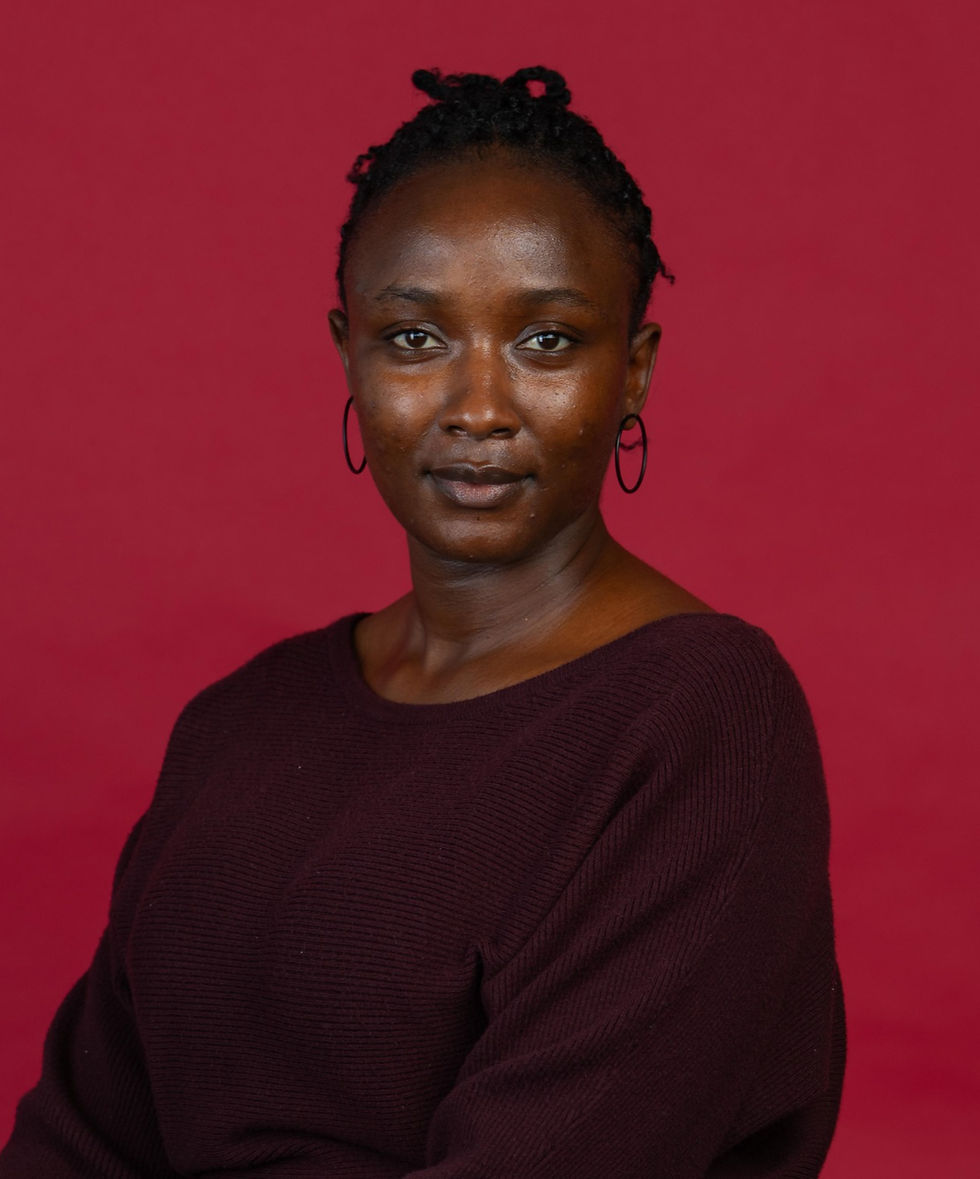
My name is Abigail Torome, and I am the graduate assistant at the South Dakota Oral History Center at the University of South Dakota for the 2026/2027 academic year. I am from Kenya and pursuing a master's in business analytics. In my professional field, I am committed to changing raw data into actionable insights and while working at the SDOHC, I aim at ensuring more transcripts are accessible. This blog introduces me as the new GA, gives a reflection of what I do, and hints at the fun things going on at the SDOHC.
On the first day of work, I took a tour around the library’s archives. During the tour, I got to hold one of the oldest books at USD. It was published in 1604 and is written in Latin, can you imagine? The archives contain an extensive collection of materials, photos, books, letters, maps, journals, and materials on South Dakota’s cultural, political, and economic history. You will also find rare books, regional collections, historical primary sources and manuscripts, and photographs. Every aisle has something worth reading or looking at, and I guarantee you will find something interesting and surprising on various topics such as farming, healthcare, Native American history, among others. Every piece in the archives is one of its kind and needs to be protected. So, the sign “NO FOOD OR DRINK” outside the archives reading room makes sense.
After the tour, I settled at my desk at the Oral History Center just across from the reading room from the archives. On the right side of my desk, there are boxes that contain information and material of interviews such as copies of transcripts, consent forms, and other material provided from the interview. When I first heard of the Oral History Center, I thought it was a place where I would find audio files of various historical events as one would find books in a library. I wasn’t far from getting it right; oral history entails gathering first-hand historical information, memories, and personal perspectives of people who participated in or witnessed past events. The interviews enable the narrator to present their experience and perspective of the event as they remembered it. Listening to the narrators' voices is different from reading since I learn how they talk, how they pronounce words, and their tone, which may not be fully captured when reading
the transcripts. In this collection, there are interviews from as early as the 1960s, and we continue to add more interviews to the collection through various projects. That’s amazing! Some of the narrators agree to have their interviews available to the public, which enables the community to better understand past events from various angles.
Almost 700 of the oral histories in this collection are available to the public for listening on the Digital Library of South Dakota. To ensure compliance with the Americans with Disabilities Act, and to make each interview accessible to researchers, interviews need to be transcribed. Also, having interviews online helps with efficiency since one does not have to come to the SDOHC to access the files; they can do so from wherever they are. Transcribing these oral histories defines my main role at the Center. Volunteers are much appreciated to come and help with the transcription so we can make more copies accessible. I promise it will be fun and you will practice several skills such as active listening, understanding various names and terms used during a particular time and place, and learning more about important historical events. You can reach out to sdohc@usd.edu if you have any questions regarding volunteering or anything else.
When transcribing, I listen to the audio files at least thrice and that makes me the person with the most knowledge about the audio and transcript. That’s cool, right? And that’s what makes the transcription special and exciting. I have heard various interesting stories such as the migration of German Russians and households speaking German, a county sheriff not carrying or using a gun despite being in the line of duty, and a season where farms were attacked by grasshoppers and there was no harvest. I have learned a lot from transcription. Patience, attention to details, active listening, history, and more about South Dakota. I am looking forward to learning more during my time here.

Comments